Table of Contents
- What the Hail?!
- Burgundy Once Again Devastated by Hail - PUNCH
- Hail, hail, the gang's all here! Hail up to 5.5" diameter fell across ...
- Fast Facts on Hail
- The occurrence of severe storm that produce large hails in Bukit Jalil ...
- Catastrophe declared for Sydney hailstorm
- Hail Safety and Readiness
- Hail ~ Art Of Animation
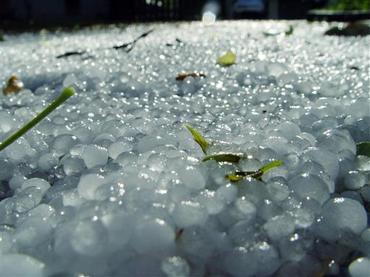
- Hail! | Canon EOS 30D | 1/160 | f/3.5 | 100 mm | ISO 640
- Hail - Our sky


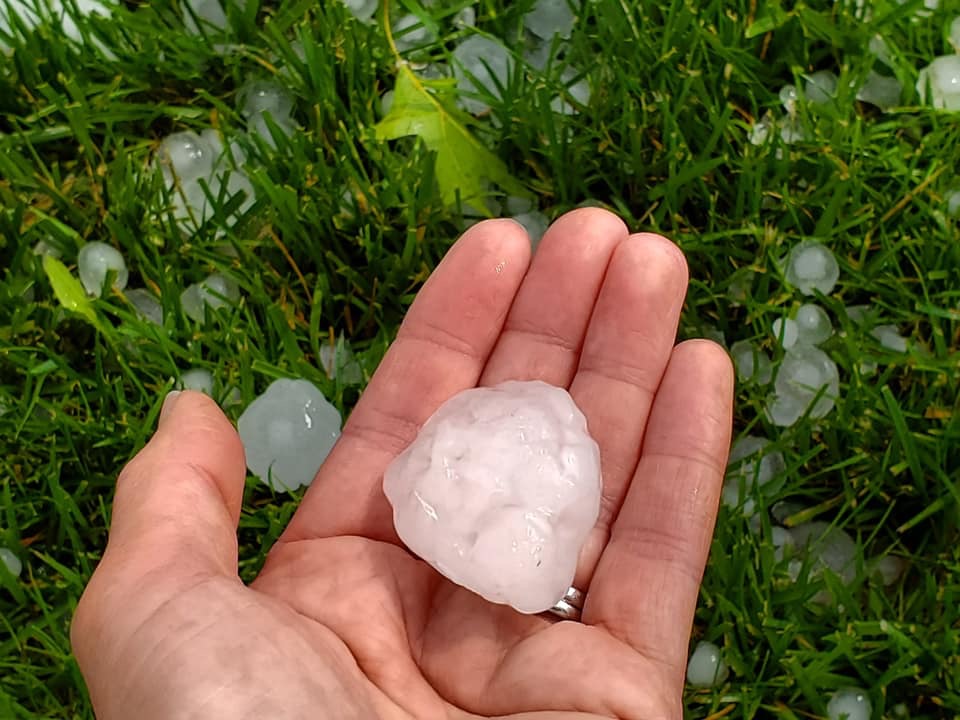
The Formation of Hail
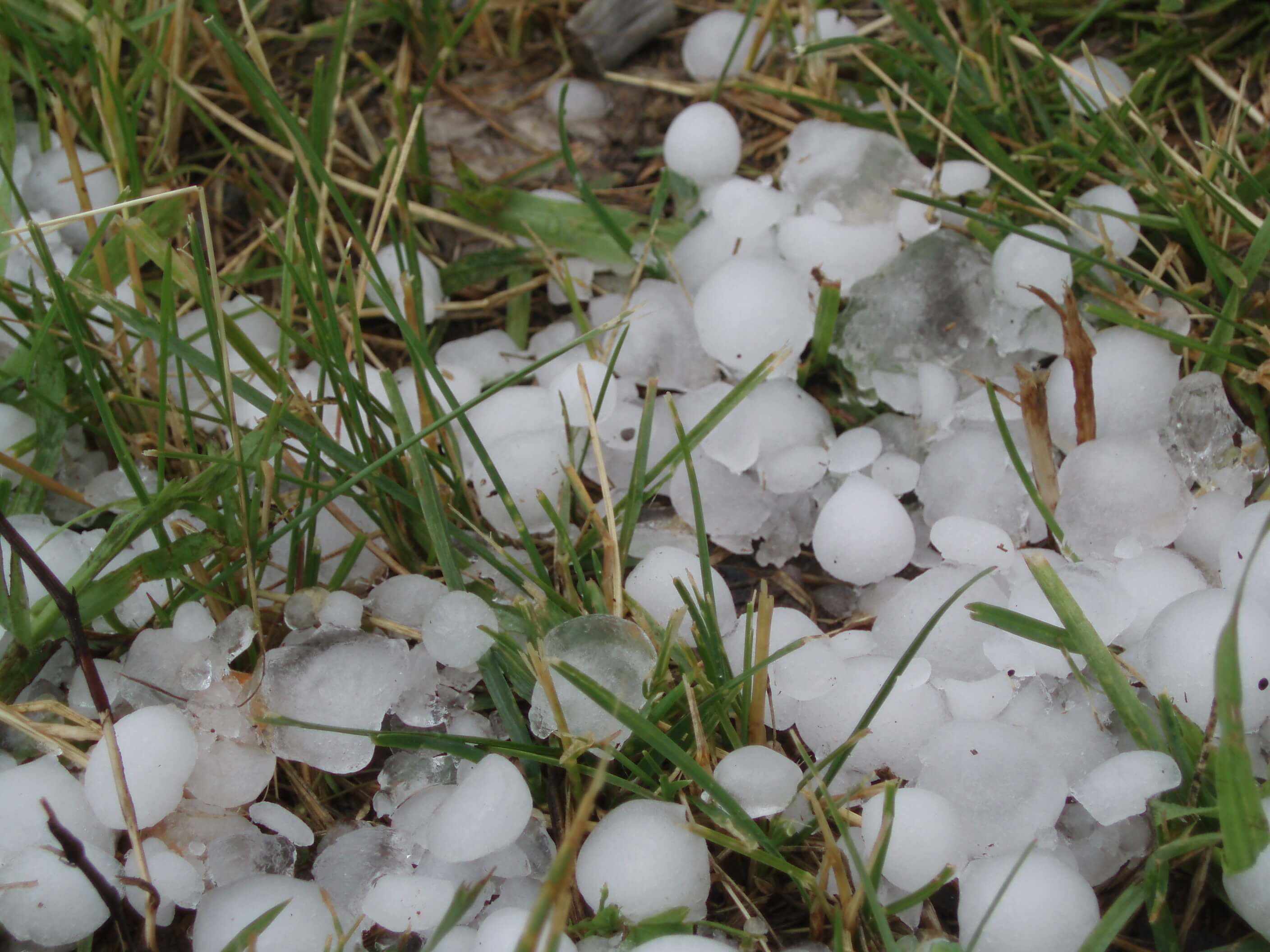
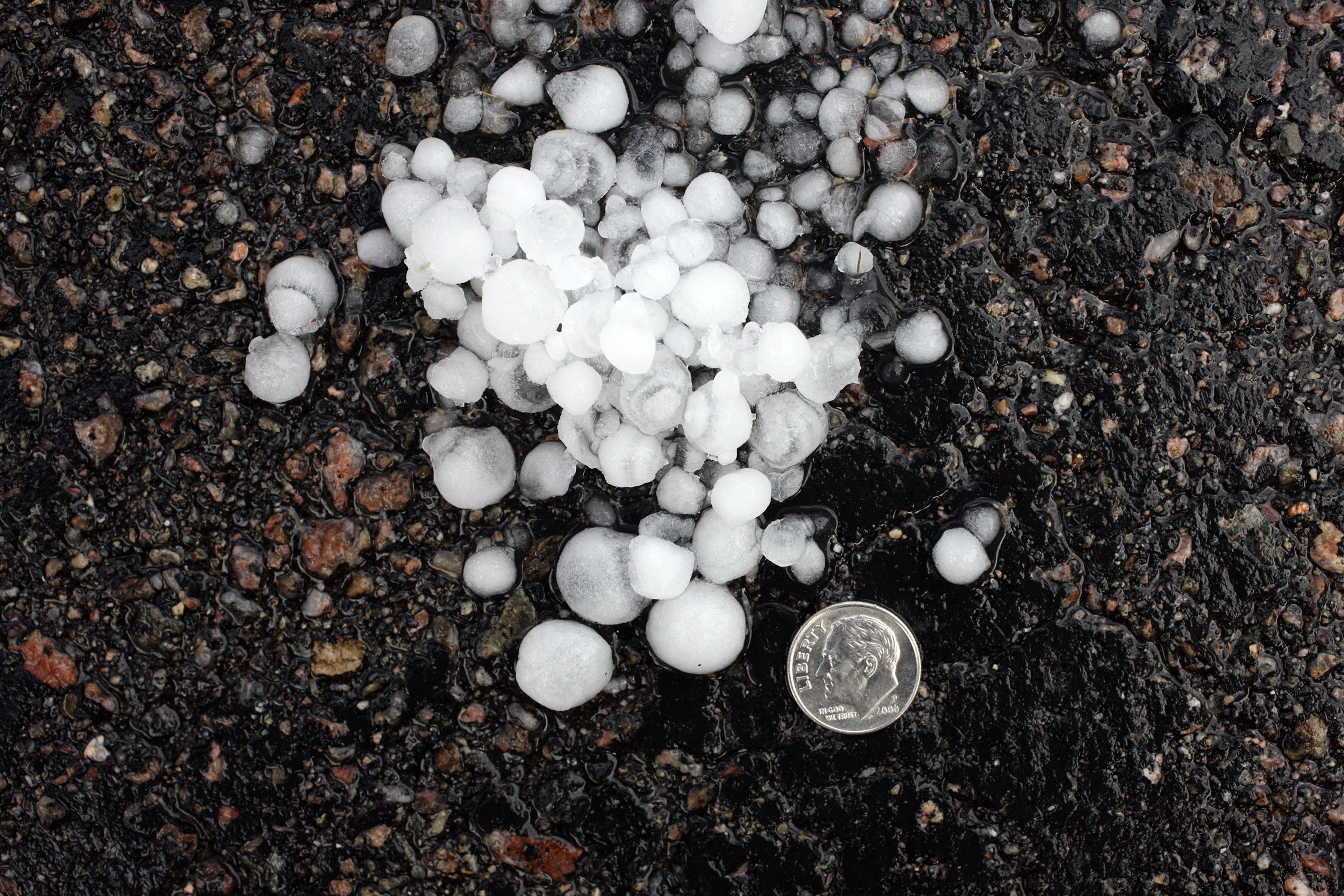

Factors Influencing Hail Size
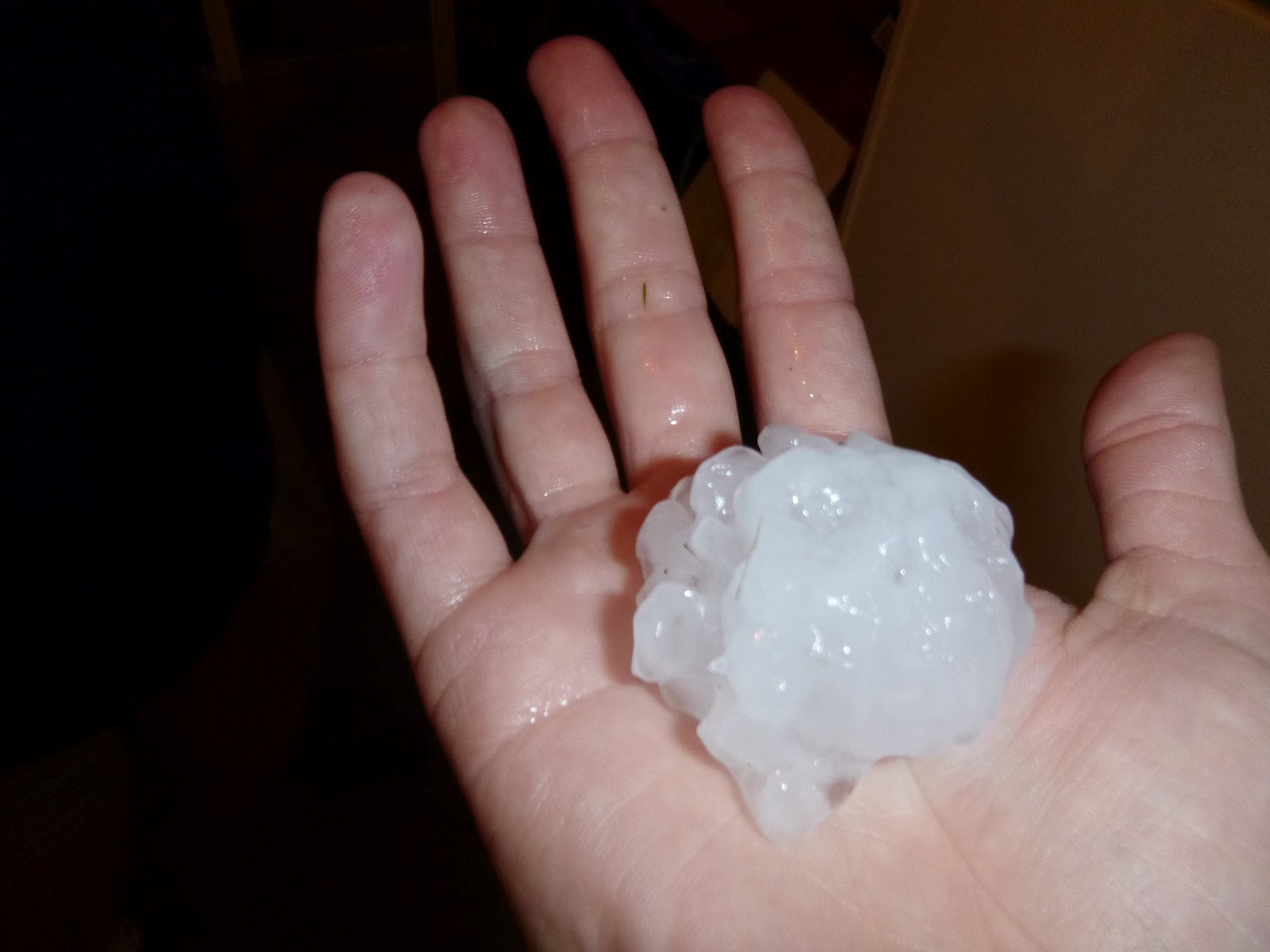


Other Factors
In addition to these primary factors, other conditions can also influence hail size, such as: Wind Shear: Changes in wind direction and speed with height can cause hailstones to be carried upward or downward, affecting their size. Cloud Type: The type of cloud in which the hail forms can also impact hail size. Cumulonimbus clouds, which are associated with strong updrafts and heavy precipitation, tend to produce larger hailstones. Location: The location of the storm can also influence hail size. Storms that form in areas with high moisture content, such as near bodies of water, tend to produce larger hailstones. In conclusion, the size of hailstones is determined by a complex interplay of factors, including updraft strength, water content, freezing level, storm intensity, wind shear, cloud type, and location. Understanding these factors can help us better predict when and where large hail is likely to occur, allowing us to take necessary precautions to protect people and property. By continuing to study the science behind hail, we can improve our ability to forecast and prepare for these powerful storms.Source: FOX Weather
Note: This article is for general information purposes only and is not intended to be a comprehensive or technical treatment of the subject.